2 Apr 2026
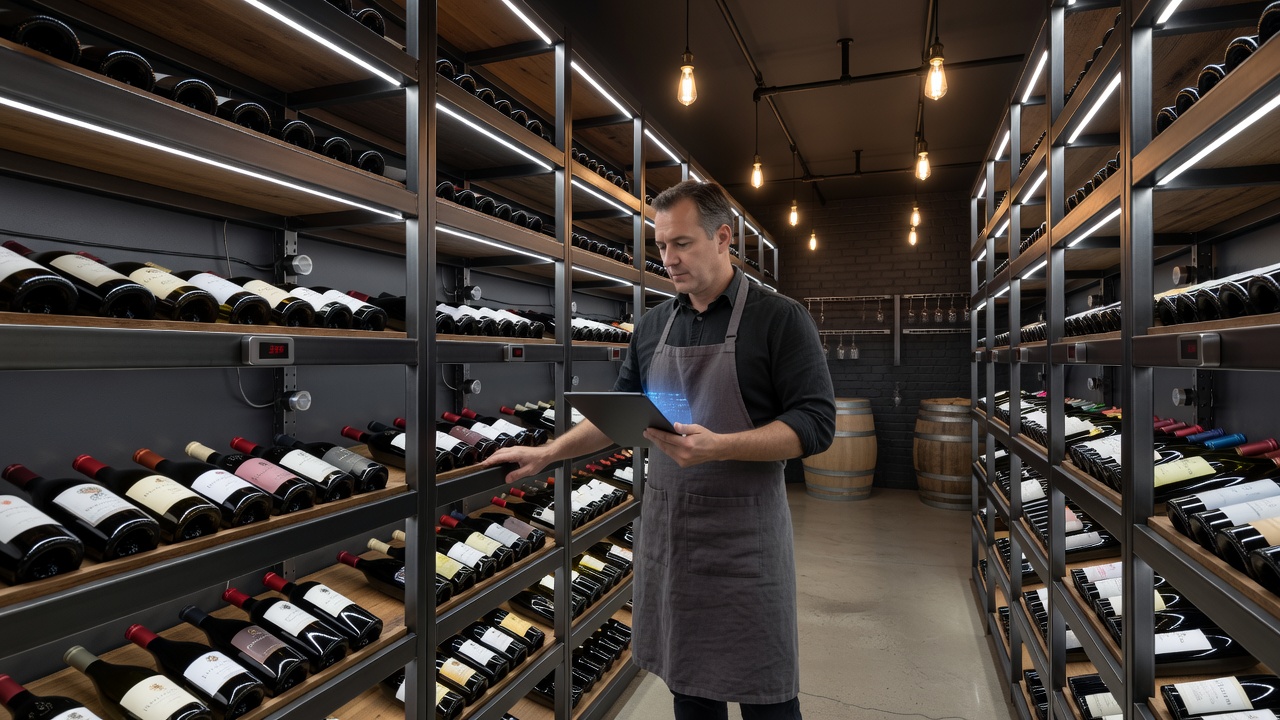
Cellarember serves as a structured approach to organizing and monitoring wine collections. It combines inventory tracking with environmental controls to help users maintain ideal conditions for long-term storage.
Core Components of Cellarember
The system centers on accurate record-keeping. Users log bottle details including vintage, producer, and quantity. Temperature and humidity sensors integrate directly, providing real-time alerts when readings move outside recommended ranges. This reduces the risk of spoilage caused by fluctuations.
Another element involves categorization. Bottles can be grouped by region, varietal, or drinking window. Search functions allow quick location of specific items without manual searching through physical racks.
Advantages for Collectors
Consistent monitoring supports better preservation. Proper humidity levels prevent cork drying, while stable temperatures slow aging at a controlled pace. Over time, these factors contribute to maintaining or increasing the value of stored wines.
Inventory visibility also aids purchasing decisions. Knowing exact stock levels helps avoid duplicate buys and identifies gaps in a collection. Reports generated by the system offer insights into consumption patterns and remaining capacity.
Implementation Recommendations
Begin with a complete audit of existing bottles. Enter data systematically to establish a reliable baseline. Position sensors in multiple zones if the storage area varies in conditions. Review logs weekly at first, then adjust frequency based on stability.
Regular updates to drinking windows ensure timely consumption. Pairing the system with physical labels on racks creates a backup reference. Users who follow these steps typically report fewer losses and improved organization across their holdings.