22 Oct 2026
How Compliance Standards Shaped Digital Vault Technologies
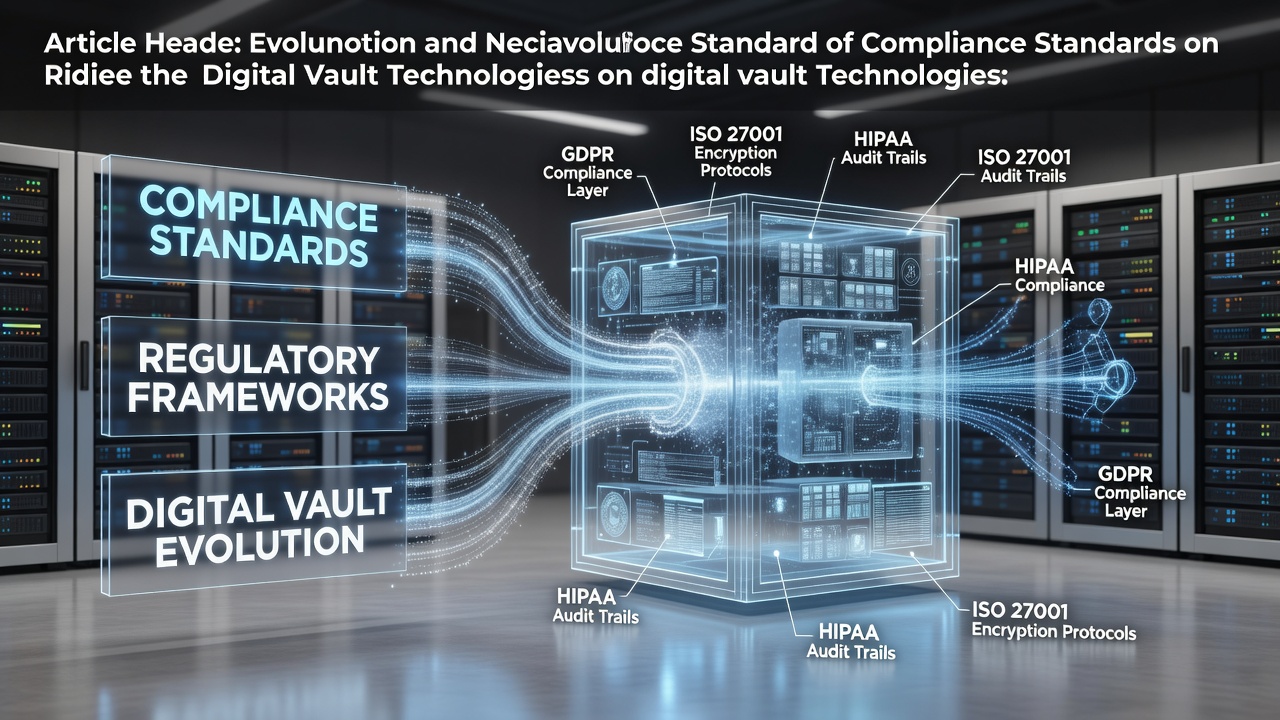
Digital vault technologies emerged from the need to secure sensitive data against unauthorized access while meeting evolving regulatory demands across multiple jurisdictions, and compliance standards have driven their core architectural features since the late 1990s. Organizations developed these systems to store and manage digital assets with layered encryption, audit trails, and granular permission controls because frameworks such as the Health Insurance Portability and Accountability Act in the United States required strict protections for electronic health records. Researchers at institutions studying information security observed that early vault designs incorporated role-based access mechanisms directly in response to these mandates, which prevented data breaches and ensured traceability during audits.
Early Regulatory Influences on Vault Architecture
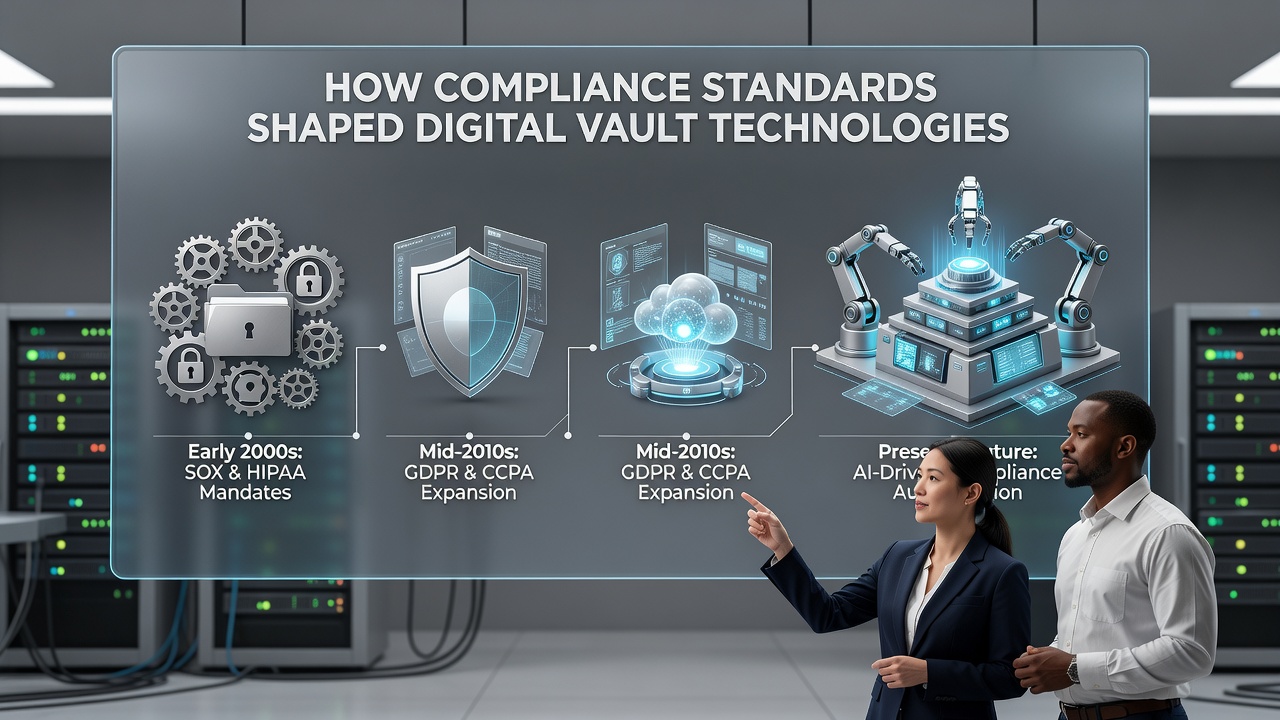
Standards from government agencies established baseline requirements for data integrity and confidentiality that shaped how digital vaults handle key management and retention policies. The National Institute of Standards and Technology published guidelines that encouraged the integration of cryptographic modules into vault software, leading developers to adopt AES-256 encryption as a default setting by the early 2000s. In Canada, the Personal Information Protection and Electronic Documents Act prompted similar adaptations where companies built automated consent tracking features into their platforms to comply with data minimization rules. Observers note that these overlapping regulations created a push toward interoperable vault solutions capable of supporting cross-border data flows without violating local statutes.
Impact of Global Data Protection Frameworks
The introduction of the General Data Protection Regulation in the European Union in 2018 accelerated innovations in digital vault capabilities, particularly around data subject rights and breach notification timelines. Vault providers responded by embedding automated deletion workflows and real-time monitoring dashboards that align with the regulation's accountability principles. Data from regulatory filings indicate that companies using compliant vaults experienced fewer penalties during enforcement actions compared to those relying on basic storage systems. What's interesting is how these requirements extended beyond Europe and influenced product roadmaps in other regions, prompting vendors to offer configurable modules that satisfy multiple standards simultaneously.
Technical Adaptations Driven by Industry Mandates
Financial and healthcare sectors adopted specialized vault features after standards like the Payment Card Industry Data Security Standard and updated HIPAA security rules emphasized multi-factor authentication alongside continuous logging. Developers integrated hardware security modules into vault infrastructure to meet these specifications, which reduced risks associated with key exposure during routine operations. One study revealed that organizations implementing these enhanced vaults saw measurable improvements in audit pass rates, with figures showing up to 40 percent fewer findings related to access controls. And because October 2026 brings new reporting deadlines under several updated frameworks, teams are now prioritizing vaults that generate standardized compliance reports automatically.
Additional refinements appeared in response to emerging requirements for zero-trust architectures, where every access request undergoes verification regardless of network location. Vault technologies incorporated policy engines that enforce these checks dynamically, drawing from research conducted at academic centers focused on cybersecurity. Those who've studied deployment patterns across industries point out that such integrations allow seamless scaling while maintaining alignment with standards from bodies like the Australian Information Commissioner and similar oversight entities in Asia-Pacific markets.
Case Examples of Compliance-Driven Evolution
Take one financial services firm that upgraded its digital vault system following revisions to Basel Committee guidelines on operational resilience, which led to the addition of immutable backup layers and geo-redundant storage configurations. The changes ensured that transaction records remained unaltered even during simulated disaster recovery tests. There's this case where experts found that healthcare providers using vaults with built-in HIPAA audit functions reduced manual review time by significant margins during annual assessments. These examples illustrate how standards translate into practical design choices that enhance both security posture and operational efficiency across sectors.
Ongoing Developments and Regional Variations
Regional differences in compliance approaches continue to influence vault customization options, with some jurisdictions emphasizing data localization while others focus on encryption export controls. Industry reports from organizations tracking technology adoption show that hybrid vault models combining on-premises and cloud elements have gained traction because they accommodate varying legal landscapes without compromising performance. By October 2026, updates to several international standards are expected to introduce stricter requirements for artificial intelligence-assisted data classification within vaults, which will likely drive further software enhancements in automated tagging and risk scoring.
Conclusion
Compliance standards have consistently guided the progression of digital vault technologies by dictating essential security controls, reporting mechanisms, and interoperability features that vendors now treat as foundational elements. Data indicates that organizations investing in standards-aligned vaults maintain stronger positions during regulatory reviews while supporting secure data handling across global operations. As frameworks evolve, vault systems adapt through targeted technical upgrades that preserve data integrity and facilitate audit readiness in an increasingly regulated environment.