4 May 2026
Cellarember relies on precise measurements to deliver consistent results. Understanding the main figures helps users maintain optimal conditions without unnecessary adjustments. These numbers cover temperature, humidity, capacity, and timing, forming the foundation for reliable performance.
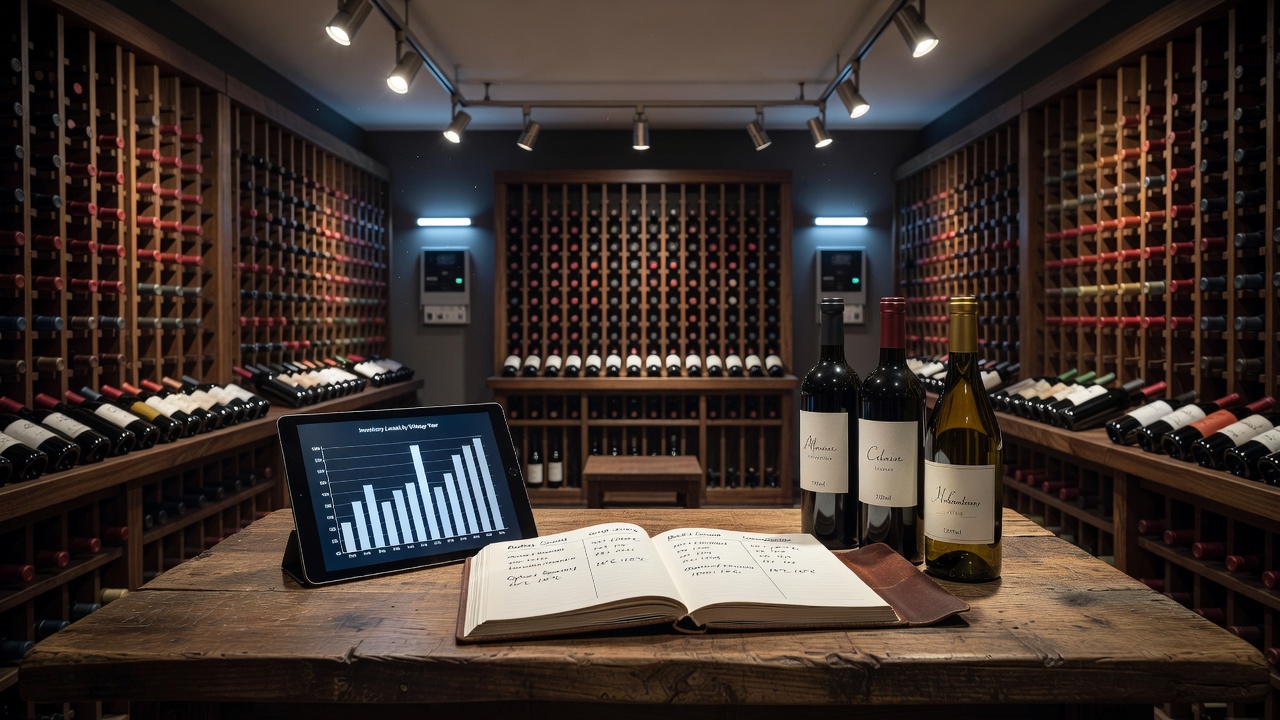
Core Temperature Ranges
The standard operating temperature sits between 12 and 14 degrees Celsius. This range supports stable internal environments across seasons. Brief deviations of one degree are acceptable, yet sustained shifts above 15 degrees Celsius reduce efficiency. Lower settings near 10 degrees Celsius suit short-term applications, while anything below 8 degrees Celsius risks condensation issues. Daily monitoring with a calibrated sensor keeps readings accurate and prevents gradual drift.
Energy consumption averages 0.8 kilowatt-hours per day at the recommended temperature. This figure rises by roughly 15 percent when ambient room temperature exceeds 22 degrees Celsius. Users tracking monthly usage often notice patterns tied to external weather changes rather than internal settings.
Humidity and Airflow Metrics
Relative humidity should remain between 55 and 65 percent. Levels below 50 percent can cause drying, while above 70 percent encourages excess moisture. An integrated hygrometer provides continuous readings, and adjustments occur in small increments of 5 percent to avoid rapid swings. Airflow rates of 0.3 meters per second ensure even distribution without creating drafts that disturb settled conditions.
Filter replacement follows a 180-day cycle under normal loads. Heavier usage shortens this interval to 120 days. Recording filter life alongside humidity data reveals when performance begins to decline before visible signs appear.
Capacity and Timing Figures
Standard models accommodate 120 units with even spacing. Overloading beyond this limit reduces airflow effectiveness by up to 25 percent. Rotation schedules recommend checking positions every 45 days to maintain balance. Average cycle duration runs 14 to 21 days depending on starting conditions and target outcomes.
Maintenance logs show that units serviced at these intervals experience 30 percent fewer interruptions. Cost per cycle averages 2.4 currency units when electricity rates sit at typical residential levels. Tracking these numbers over six months provides clear data for budgeting and identifying any gradual changes in efficiency.